BY: APRIL MAE OCHO
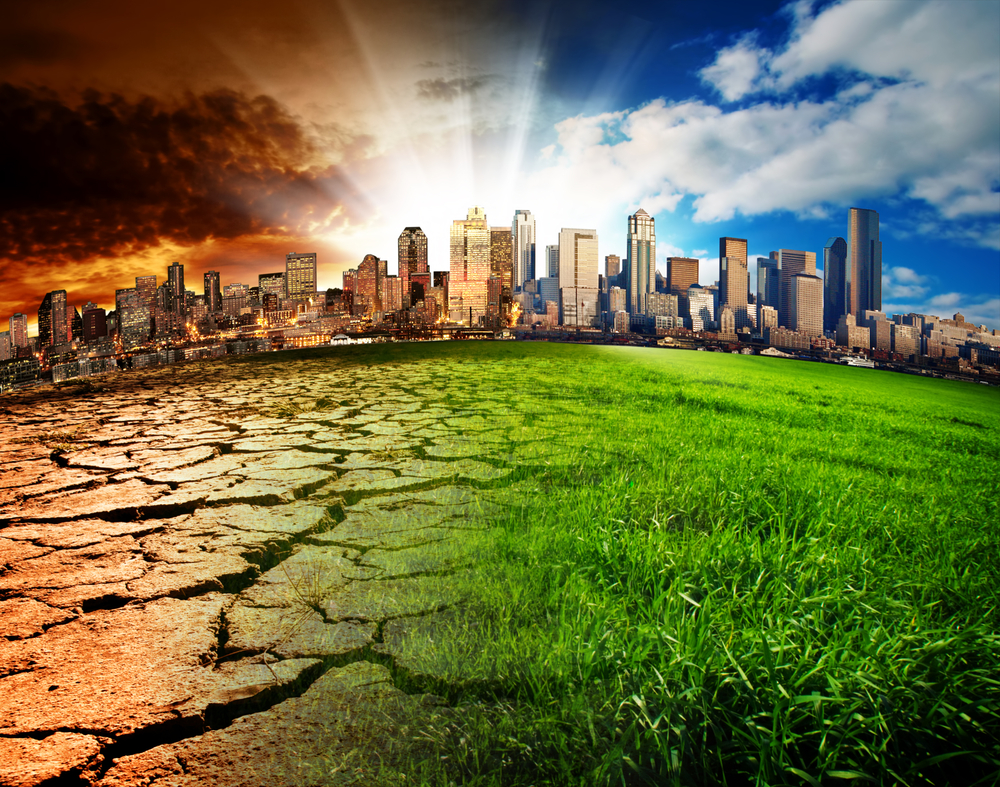
Why do you think that our surrounding nowadays is so hot? Why is that the ices of the Antartica are slowly melting? Why is that the weather is changing from time to time that we hardly predict it? Well, climate change is the cause. So what is climate change? Climate change also called global warming is the current increase in temperature of the Earth’s surface (both land and water) as well as it’s atmosphere. Average temperatures around the world have risen by 0.75°C (1.4°F) over the last 100 years about two thirds of this increase has occurred since 1975.1 2 In the past, when the Earth experienced increases in temperature it was the result of natural causes but today it is being caused by the accumulation of greenhouse gases in the atmosphere produced by human activities.
Here are some of it’s causes:
-
The Greenhouse Effect: natural and enhanced
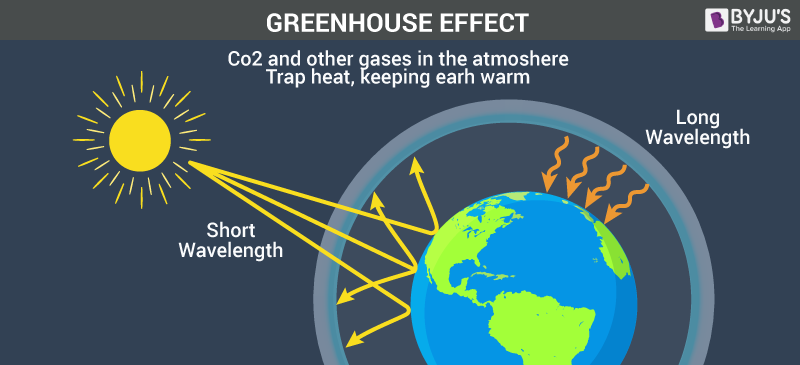
The ‘natural’ greenhouse effect makes life as we know it possible on Earth. Without this effect, the average temperature would be about – 18°C (well below the freezing point of water), rather than its current 14°C.
Earth’s surface temperature is determined by the radiative balance, the net difference between the energy gained from incoming sunlight and the amount lost into space as infrared radiation. The Earth’s atmosphere acts like a transparent blanket, letting in light but trapping some of the heat it generates. Without an atmosphere, all of this energy would be lost to space.
This natural effect relies on ‘greenhouse’ gases in our atmosphere allowing sunlight to pass through, and trapping some of the resulting heat energy that radiates back up from the Earth’s surface.
-
Greenhouse Gases
The most important greenhouse gases are water vapour and carbon dioxide (CO2). Both are present at very small concentrations in the atmosphere. Water vapour varies considerably in space and time because it has a short ‘lifetime’ in the atmosphere. Because of this variation, it is difficult to measure globally averaged water vapour concentration. Carbon dioxide has a much longer lifetime and is well mixed throughout the atmosphere. The current concentration is about 0.04 per cent. Other greenhouse gases in our atmosphere include methane, nitrous oxide and chlorofluorocarbons.
Water vapour accounts for about half the present-day greenhouse effect, but its concentration in the atmosphere is not influenced directly by human activities. The amount of water in the atmosphere is related mainly to changes in the Earth’s temperature. For example, as the atmosphere warms it is able to hold more water. Although water vapour absorbs heat, it does not accumulate in the atmosphere in the same way as other greenhouse gases; it tends to act as part of a feedback loop rather than being a direct cause of climate change. (Read more about feedback in Climate systems).
Carbon dioxide is the largest single contributor to human-induced climate change. NASA describes it as ‘the principal control knob that governs the temperature of Earth’. Although other factors (such as other long-lived greenhouse gases, water vapour and clouds) contribute to Earth’s greenhouse effect, carbon dioxide is the dominant greenhouse gas that humans can control in the atmosphere.

-
Carbon dioxide and the carbon cycle
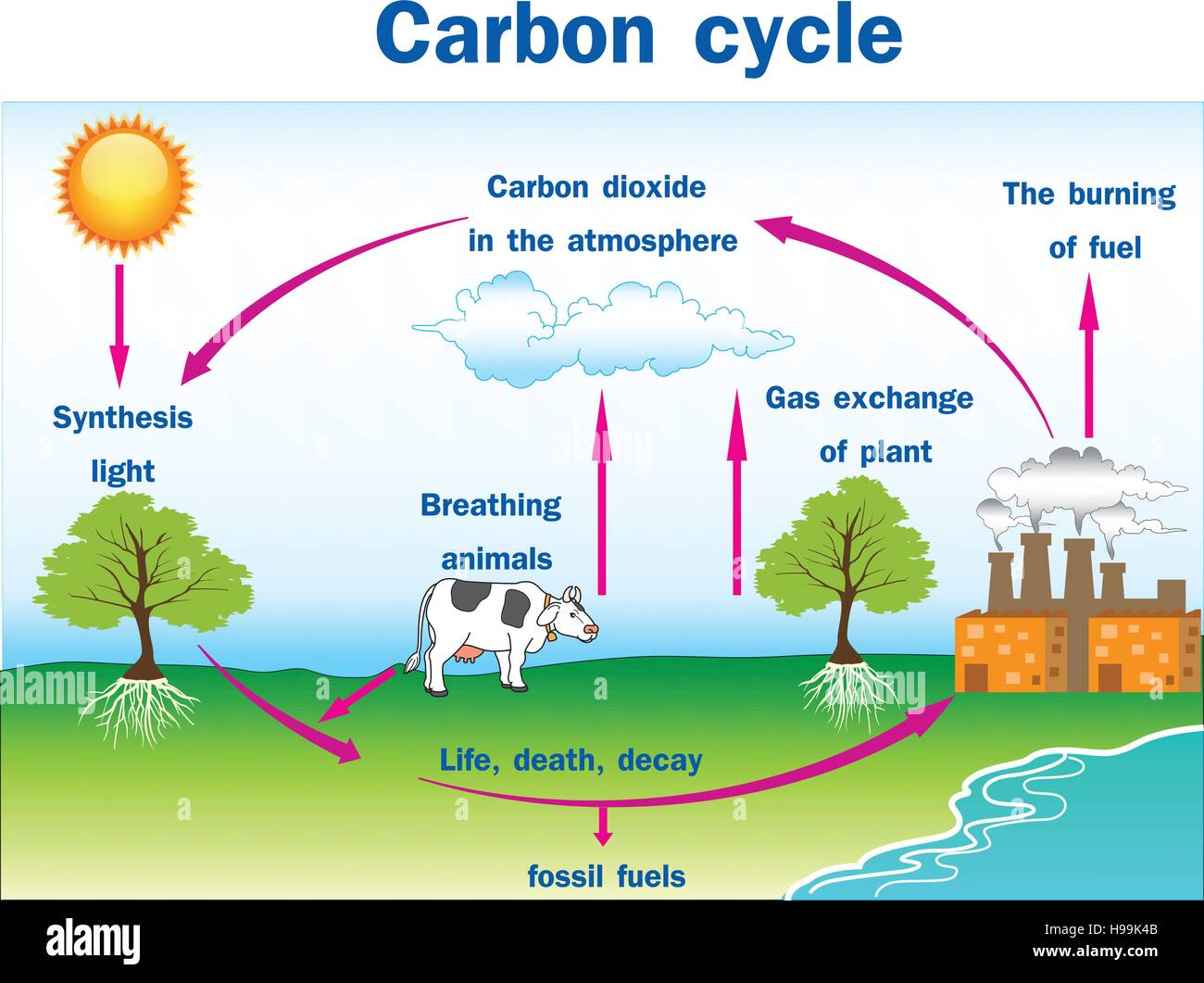
All living organisms contain carbon, as do gases (such as carbon dioxide) and minerals (such as diamond, peat and coal). The movement of carbon between large natural reservoirs in rocks, the ocean, the atmosphere, plants, soil and fossil fuels is known as the carbon cycle.
The carbon cycle includes the movement of carbon dioxide:
- into and out of our atmosphere
- between the atmosphere, plants and other living organisms through photosynthesis, respiration and decay
- between the atmosphere and the top of the oceans.
-
Increases in greenhouse gases due to human activities
Carbon dioxide is being added to the atmosphere faster than it can be removed by other parts of the carbon cycle.
Since the Industrial Revolution there has been a large increase in human activities such as fossil fuel burning, land clearing and agriculture, which affect the release and uptake of carbon dioxide.
According to the most recent Emissions Overview, carbon dioxide and other greenhouse gases are produced in NSW by the following activities or sources:
- stationary energy sources, such as coal-fired power stations (47 per cent)
- transport (18 per cent)
- coal mines (12 per cent)
- agriculture (11 per cent)
- land use (7 per cent)
- land change (3 per cent)
- waste (2 per cent).
Carbon dioxide released into the atmosphere from burning fossil fuels carries a different chemical fingerprint from that released by natural sources such as respiration and volcanoes. This makes it possible to identify the contribution of human activity to greenhouse gas production.

Ways on how to suppress the effects of climate change
It is not yet to late to do an action. CLIMATE CHANGE can be CHANGE. It is in the way that we have to realize are wrongdoings and make it right. We are human beings with the knowledge of what is morally right and wrong. So, we have to take an actions to those things that we damage and destroy in the land where we live. We have to take care and love our mother nature to suppress all the effects of the climate change.
Here are some of the ways on how to make and end of the effects of climate change:
-
Speak up!
What’s the single biggest way you can make an impact on global climate change? “Talk to your friends and family, and make sure your representatives are making good decisions,” Haq says. By voicing your concerns—via social media or, better yet, directly to your elected officials—you send a message that you care about the warming world. Encourage Congress to enact new laws that limit carbon emissions and require polluters to pay for the emissions they produce. “The main reason elected officials do anything difficult is because their constituents make them,” Haq says. You can help protect public lands, stop offshore drilling, and more here.
-
Power your home with renewable energy.
Choose a utility company that generates at least half its power from wind or solar and has been certified by Green-e Energy, an organization that vets renewable energy options. If that isn’t possible for you, take a look at your electric bill; many utilities now list other ways to support renewable sources on their monthly statements and websites.
-
Weatherize, weatherize, weatherize.
“Building heating and cooling are among the biggest uses of energy,” Haq says. Indeed, heating and air-conditioning account for almost half of home energy use. You can make your space more energy efficient by sealing drafts and ensuring it’s adequately insulated. You can also claim federal tax credits for many energy-efficiency home improvements.
-
Invest in energy-efficient appliances.
Since they were first implemented nationally in 1987, efficiency standards for dozens of appliances and products have kept 2.3 billion tons of carbon dioxide out of the air. That’s about the same amount as the annual carbon pollution coughed up by nearly 440 million cars. “Energy efficiency is the lowest-cost way to reduce emissions,” Haq says. When shopping for refrigerators, washing machines, and other appliances, look for the Energy Star label. It will tell you which are the most efficient.
-
Reduce water waste.
Saving water reduces carbon pollution, too. That’s because it takes a lot of energy to pump, heat, and treat your water. So take shorter showers, turn off the tap while brushing your teeth, and switch to WaterSense-labeled fixtures and appliances. The EPA estimates that if just one out of every 100 American homes were retrofitted with water-efficient fixtures, about 100 million kilowatt-hours of electricity per year would be saved—avoiding 80,000 tons of global warming pollution.
-
Actually eat the food you buy—and make less of it meat.
Approximately 10 percent of U.S. energy use goes into growing, processing, packaging, and shipping food—about 40 percent of which just winds up in the landfill. “If you’re wasting less food, you’re likely cutting down on energy consumption,” Haq says. And since livestock products are among the most resource-intensive to produce, eating meat-free meals can make a big difference, too.
-
Buy better bulbs.
LED lightbulbs use up to 80 percent less energy than conventional incandescents. They’re also cheaper in the long run: A 10-watt LED that replaces your traditional 60-watt bulb will save you $125 over the lightbulb’s life.
-
Pull the plug(s).
Taken together, the outlets in your home are likely powering about 65 different devices – an average load for a home in the U.S. Audio and video devices, cordless vacuums and power tools, and other electronics use energy even when they’re not charging. This “idle load” across all U.S. households adds up to the output of 50 large power plants in the U.S. So don’t leave fully charged devices plugged into your home’s outlets, unplug rarely used devices or plug them into power strips and timers, and adjust your computers and monitors to automatically power down to the lowest power mode when not in use.
-
Drive a fuel-efficient vehicle.
Gas-smart cars, such as hybrids and fully electric vehicles, save fuel and money. And once all cars and light trucks meet 2025’s clean car standards, which means averaging 54.5 miles per gallon, they’ll be a mainstay. For good reason: Relative to a national fleet of vehicles that averaged only 28.3 miles per gallon in 2011, Americans will spend $80 billion less at the pump each year and cut their automotive emissions by half. Before you buy a new set of wheels, compare fuel-economy performance here.
-
Maintain your ride.
If all Americans kept their tires properly inflated, we could save 1.2 billion gallons of gas each year. A simple tune-up can boost miles per gallon anywhere from 4 percent to 40 percent, and a new air filter can get you a 10 percent boost.
-
Rethink planes, trains, and automobiles.
Choosing to live in walkable smart-growth cities and towns with quality public transportation leads to less driving, less money spent on fuel, and less pollution in the air. Less frequent flying can make a big difference, too. “Air transport is a major source of climate pollution,” Haq says. “If you can take a train instead, do that.”
-
Shrink your carbon profile.
You can offset the carbon you produce by purchasing carbon offsets, which represent clean power that you can add to the nation’s energy grid in place of power from fossil fuels. But not all carbon offset companies are alike. Do your homework to find the best supplier.
Our world is slowly changing from it’s natural state and it is the consequences of all of our action. From the world once we called paradise to the world, full of chaos. WE HAVE TO SAVE OUR WORLD AND WE HAVE TO DO IT NOW!
REFERENCES:
https://climatechange.environment.nsw.gov.au/About-climate-change-in-NSW/Causes-of-climate-change
https://www.nrdc.org/stories/how-you-can-stop-global-warming

 Climate Change